The surface feels simple when a lot of hidden complexity behaves correctly. In these projects,
the deeper layer was usually the most interesting part: platform behavior, data movement,
permission boundaries, broken flows, environmental constraints and the moment when a feature becomes
genuinely usable and ready to be trusted.
-
iOS
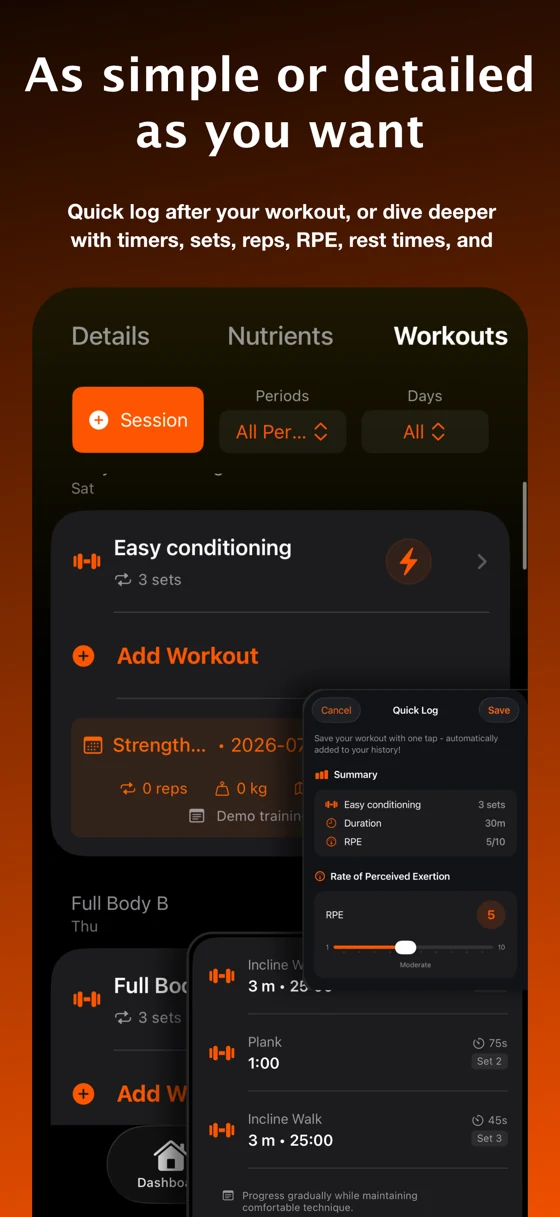
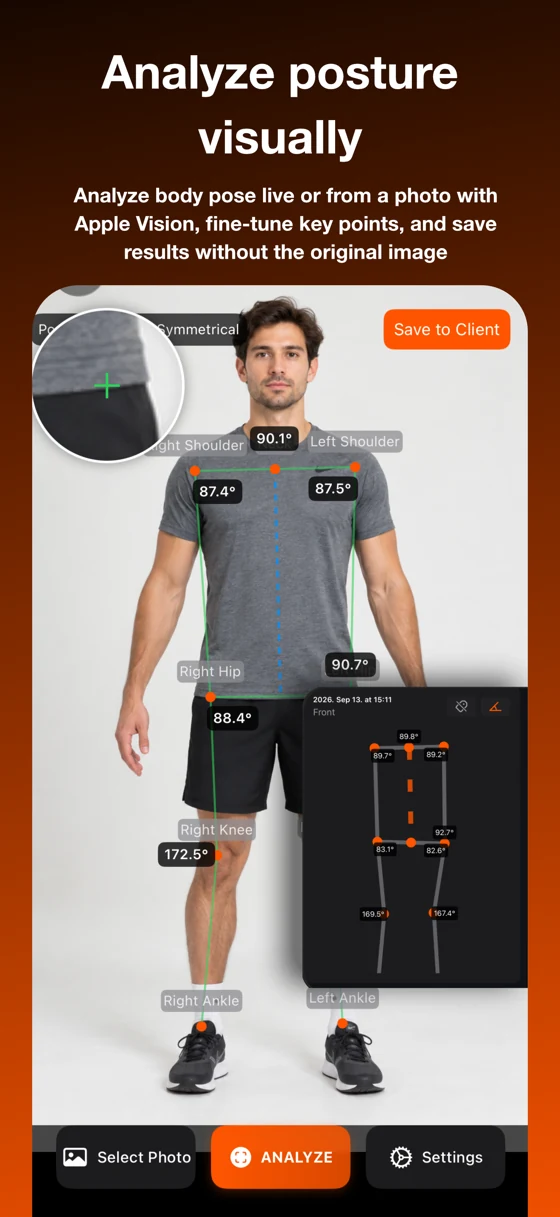
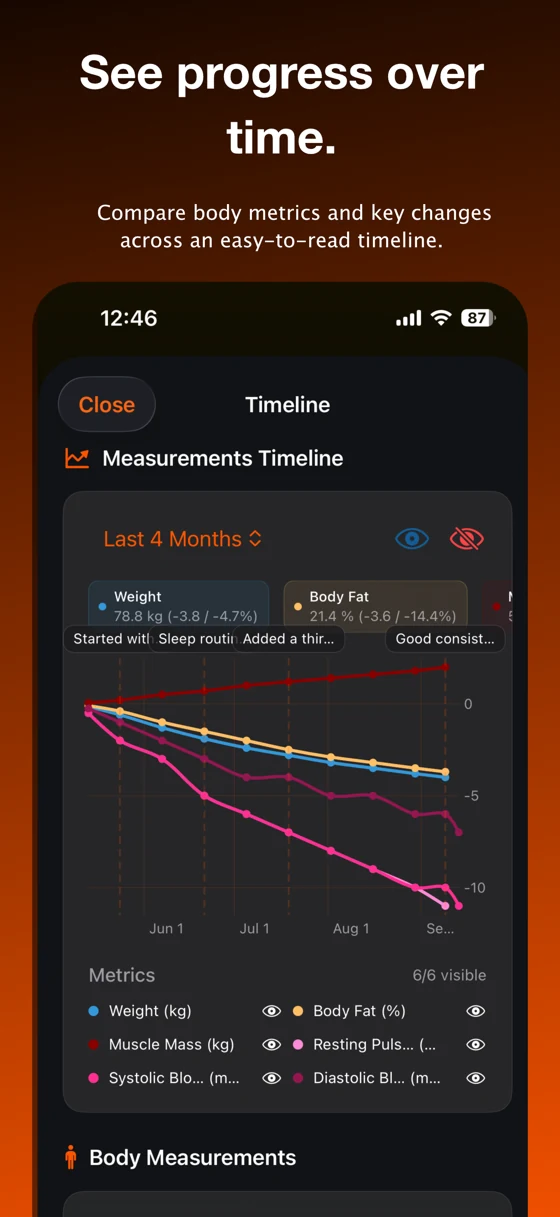
On iOS, the work had to account for privacy-sensitive health-related data, regulatory expectations and the product decisions that come with them: encrypted storage, Firebase and Firestore-backed account and entitlement management, SQLCipher, multi-user data handling, free and test-license setup, gift-card-based access, beta tester groups, continuous permission checks, Amplitude event tracking, camera access, Apple Vision-based posture analysis, StoreKit subscriptions, paywall flows, sandbox and TestFlight testing, TestFlight group setup, Xcode and App Store Connect release work. Export and sharing flows focused on compatible outputs for other apps: structured JSON, formatted PDFs, app-data-driven documents and native Apple share or mail composition with user-ready content. All of this also had to be treated as a moving target, where an iOS, SDK, permission, StoreKit or platform update could change behavior and require the whole flow to be checked again.
-
AquaQ
Structured SQL data model, full localization, Google sign-in, Drive access, token handling,
Google Developer Console, Search Console, review flows and verified plant data. The plant database
became a rule-based system around needs, water parameters, light, CO₂ and compatibility, so it could
answer questions against a user's own aquarium setup.
-
Blender
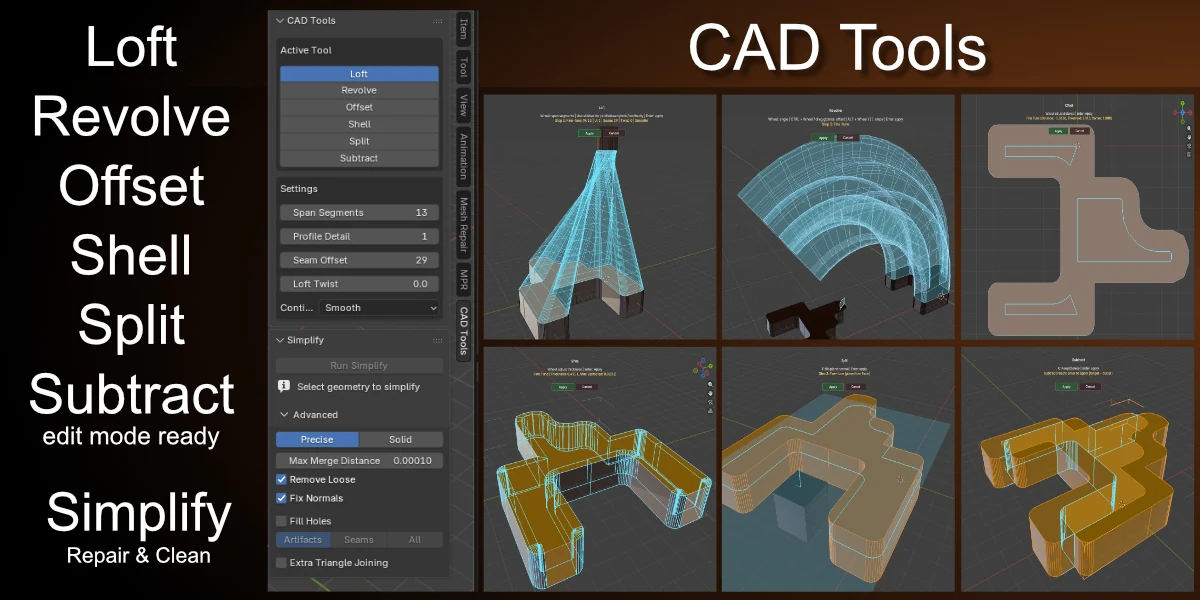
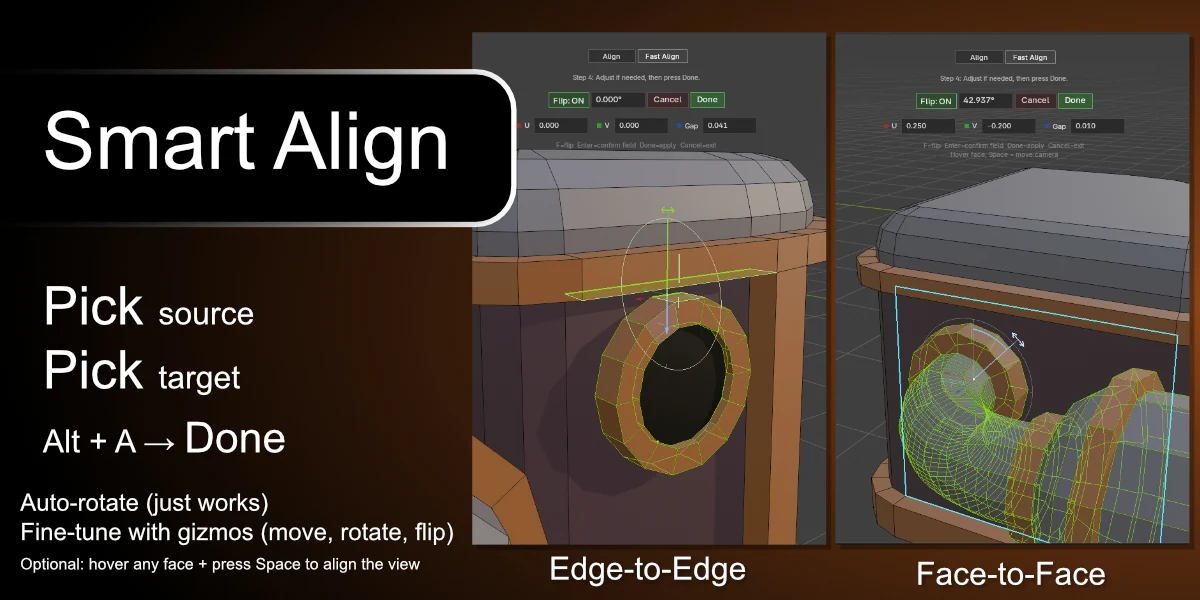
Add-ons that had to fit Blender's own platform logic, UI and workflows: Edit Mode operations,
selection-driven behavior, source-to-target interaction, local web preview, material checks and
renderer comparison, while making the tools feel more useful without becoming foreign to Blender.
-
Roads
A Godot-based city-builder engine experiment targeting Windows and macOS with Steam distribution in mind.
Performance and frame time became separate design problems: profiling, performance testing, frame-budget-aware
updates, culling, LOD, materials, shaders and rendering scale all had to work together as the world and the
simulated population grew. It also became the project that pushed me deeper into Blender workflows, and later
into building Blender add-ons.
-
Blockchain
Smart contracts, testnet behavior, deploy flows, transactions, debugging, platform-level Q&A,
bug reports and QANX-specific integrations.
The recurring pattern was the extra layer behind the interface: understanding the platform, the user's
environment, the path of the data, failure modes, release constraints and the point where a feature
becomes genuinely usable instead of only technically present.